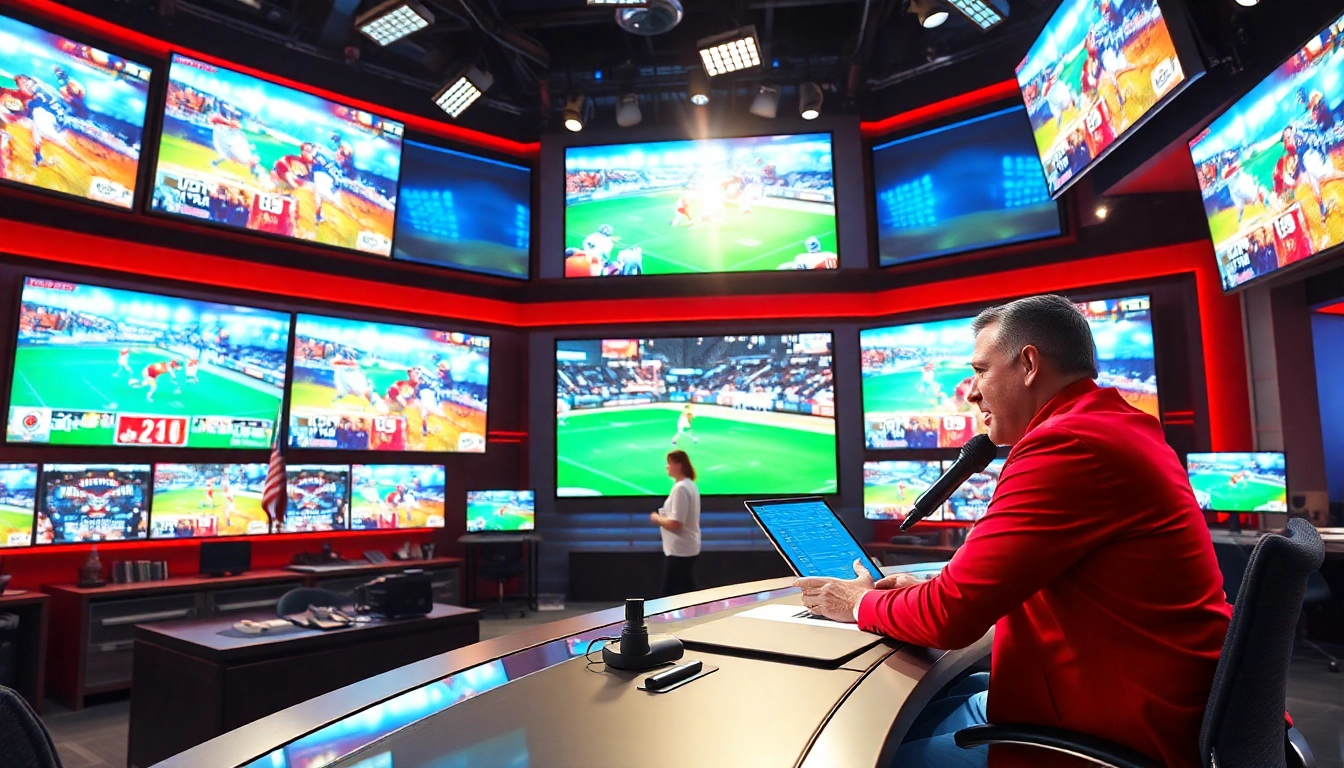
Understanding Sports Broadcasting
Sports broadcasting is a dynamic sector that has revolutionized how audiences engage with their favorite games and athletes. It serves as a critical link between live sports events and viewers, allowing fans to stay connected regardless of their location. With the evolution of technology and changing audience consumption habits, the landscape of Sports Broadcasting continues to transform at an unprecedented pace.
The Role of Sports Broadcasting in Media
Sports broadcasting plays a vital role in the media ecosystem by not only delivering live sports events but also enhancing their accessibility. It provides a platform for storytelling, allowing broadcasters to present the narratives behind the games, athletes, and teams that captivate viewers. In addition to live coverage, it encompasses expert commentary, analysis, and behind-the-scenes insights that enrich the viewing experience.
Moreover, sports broadcasting stimulates economic activity through advertising, sponsorships, and merchandising. It provides invaluable exposure for brands and expands their reach to diverse audiences, thereby integrating commercial interests with entertainment and culture.
Historical Overview of Sports Broadcasting
The journey of sports broadcasting began with radio broadcasts of live games in the early 20th century, transforming into television broadcasts post-World War II. This advancement significantly influenced fan engagement, with iconic events like the Super Bowl setting the standard for broadcasting excellence. The late 20th century marked the advent of cable networks, allowing niche sports to find dedicated audiences.
With the rise of the internet, digital broadcasting has emerged as a game-changer, bringing sports content to platforms like streaming services. This evolution highlights a shift in how audiences consume media, emphasizing the need for broadcasters to adapt and innovate continually.
Key Players in Sports Broadcasting Industry
The sports broadcasting industry features a wide array of players, including television networks, radio stations, digital platforms, and production companies. Major networks often hold exclusive broadcasting rights, which are critical for generating revenue through advertising and subscriptions.
In addition, digital streaming platforms have gained significant traction, allowing fans to watch sports on-demand. These platforms are reshaping content delivery and consumption, prompting traditional broadcasters to find new strategies to retain and grow their audiences.
Essential Skills for Sports Broadcasting
Communication Techniques for Effective Broadcasting
In sports broadcasting, communication is paramount. Broadcasters must convey information clearly, maintaining a friendly yet authoritative tone. Vocal delivery is also essential; pitch variations and pacing can enhance the emotional impact of the broadcast. Understanding the audience’s demographics allows broadcasters to tailor their language and tone for maximal engagement.
Additionally, effective storytelling is crucial in connecting with viewers emotionally. By using sports narratives, broadcasters can create memorable broadcasts that resonate with audiences and enhance their loyalty to the channel or platform.
Technical Skills: Equipment and Software
A robust understanding of broadcasting technology is vital for effective sports coverage. Broadcasters should be proficient in using equipment like cameras, microphones, and editing software. Knowledge of live streaming technologies and broadcast graphics is also important to ensure high-quality production.
Familiarity with software used for video editing, sound editing, and production workflows can significantly improve the final product. Continuous training and adaptation to new technologies are integral for success in this rapidly evolving field.
Building On-Air Confidence
Confidence is crucial for broadcasters, influencing their on-air presence and viewer perception. Practicing regular drills can improve delivery and help manage anxiety. Techniques such as visualization and adaptive feedback can also aid in enhancing self-assurance.
Engaging in frequent public speaking opportunities, both in formal settings and mock broadcasts, can prepare aspiring broadcasters for the unpredictable nature of live sports commentary. Constructive feedback from peers and mentors further aids in developing a confident on-air personality.
Current Trends in Sports Broadcasting
Impact of Digital Media on Sports Broadcasting
As audiences increasingly consume content on digital platforms, the impact on sports broadcasting is profound. Traditional formats are evolving to incorporate online streaming, with platforms like social media playing vital roles in audience engagement. Broadcasters now face the challenge of curating content to suit different formats, appealing to varied viewer preferences.
Furthermore, data analytics are becoming essential for broadcasters to understand viewer behaviors and preferences. By utilizing this data, sports broadcasters can strategically tailor their content to enhance viewer interaction and retention.
Growing Importance of Social Media
Social media has transformed how fans interact with sports broadcasting, allowing real-time engagement during events. Platforms like Twitter, Instagram, and TikTok enable broadcasters to share instant highlights, behind-the-scenes content, and audience reactions, fostering a two-way communication channel between broadcasters and fans.
The utilization of social media analytics tools to monitor audience engagement and sentiment further empowers broadcasters to refine their strategies and improve overall viewer experiences. Innovations in this area continue to shape the broadcasting landscape.
Emerging Technologies in the Field
Emerging technologies such as augmented reality (AR) and virtual reality (VR) are about to redefine the sports broadcasting experience. These technologies offer immersive environments where fans can interact with live broadcasts like never before, simulating stadium experiences right from their homes.
The integration of 5G networks is set to revolutionize live sports coverage, providing faster streaming capabilities and enhancing viewer experiences. Broadcasters are on the cusp of a new era, beyond traditional viewing experiences, allowing for greater fan involvement and interaction during events.
Challenges in Sports Broadcasting
Dealing with Live Broadcasting Issues
One of the most challenging aspects of sports broadcasting is managing live broadcast issues. Equipment failures, weather conditions, and unexpected events can disrupt coverage. Broadcasters must develop contingency plans to address these challenges swiftly, ensuring minimal disruption to the viewing experience.
Moreover, maintaining a calm demeanor during unexpected situations is critical. Training and simulations can prepare broadcasters to handle these scenarios with poise and professionalism.
Navigating Audience Expectations and Engagement
As the competition for viewer attention intensifies, meeting audience expectations has never been more crucial. Audiences expect high-quality production, engaging narratives, and interactive experiences. Broadcasters must strive to deliver beyond conventional content, emphasizing personalization and connection with viewers.
Utilizing audience feedback and social media interactions helps broadcasters refine their content strategies and better cater to evolving viewer needs and preferences.
Addressing Ethical Considerations in Coverage
Ethics in sports broadcasting are imperative, addressing issues such as image rights, sensationalism, and bias. Broadcasters must ensure accurate reporting, providing fair coverage that respects all stakeholders involved. Transparency in sponsorships and advertising is also crucial for maintaining public trust.
Training in ethics should be part of the curriculum for aspiring broadcasters to foster a culture of accountability, fairness, and integrity within the industry.
Future of Sports Broadcasting
Predictions for the Next Decade
The future of sports broadcasting is poised for unprecedented transformation. Analysts predict an increased focus on data-driven content, enabling broadcasters to create tailored experiences based on viewer behaviors and preferences. The integration of artificial intelligence (AI) for content creation and analysis may become standard practice.
Additionally, partnerships between traditional broadcasters and tech companies will likely drive innovations that enhance audience experiences through greater interactivity and engagement.
Adaptation Strategies for Broadcasters
To thrive in the evolving landscape, broadcasters need to adopt flexible strategies. This includes investing in new technologies, building partnerships with digital platforms, and continuously training staff. Fostering a culture of innovation will be essential to adapt to the rapid changes within the industry while remaining relevant to audiences.
Broadcasters must also stay ahead of upcoming trends, allowing them to proactively shape their programming and content strategies to ensure they meet the needs of the modern viewer.
Case Studies of Successful Innovations
A look at successful innovations in sports broadcasting reveals valuable insights. Case studies reveal that channels incorporating viewer engagement features—like live polls or interactive highlights—experience significantly improved audience retention rates. Broadcasters experimenting with immersive viewing experiences through AR and VR have also reported increased viewer satisfaction.
Maintaining a focus on fresh content delivery methods will be critical for broadcasters exploring new opportunities for innovation and audience engagement in the future of sports broadcasting.
Frequently Asked Questions
What is sports broadcasting?
Sports broadcasting refers to the media process of delivering live sports events, commentary, and news to audiences via television, radio, or digital platforms, making sports accessible worldwide.
What skills are needed for sports broadcasting?
Essential skills include effective communication, technical knowledge of broadcasting equipment, on-air confidence, storytelling ability, and audience engagement techniques, among others.
What are the current trends in sports broadcasting?
Current trends include the rise of digital media, the growing importance of social media interactions, and the integration of emerging technologies like AR, VR, and AI in sports coverage.
What challenges do sports broadcasters face?
Challenges include managing live broadcasting issues, meeting audience expectations, navigating ethical considerations, and dealing with competition from digital platforms and new media.
What does the future hold for sports broadcasting?
The future includes increased personalization of content, data-driven innovations, and enhanced interactivity through partnerships with tech companies, redefining viewer experiences.