
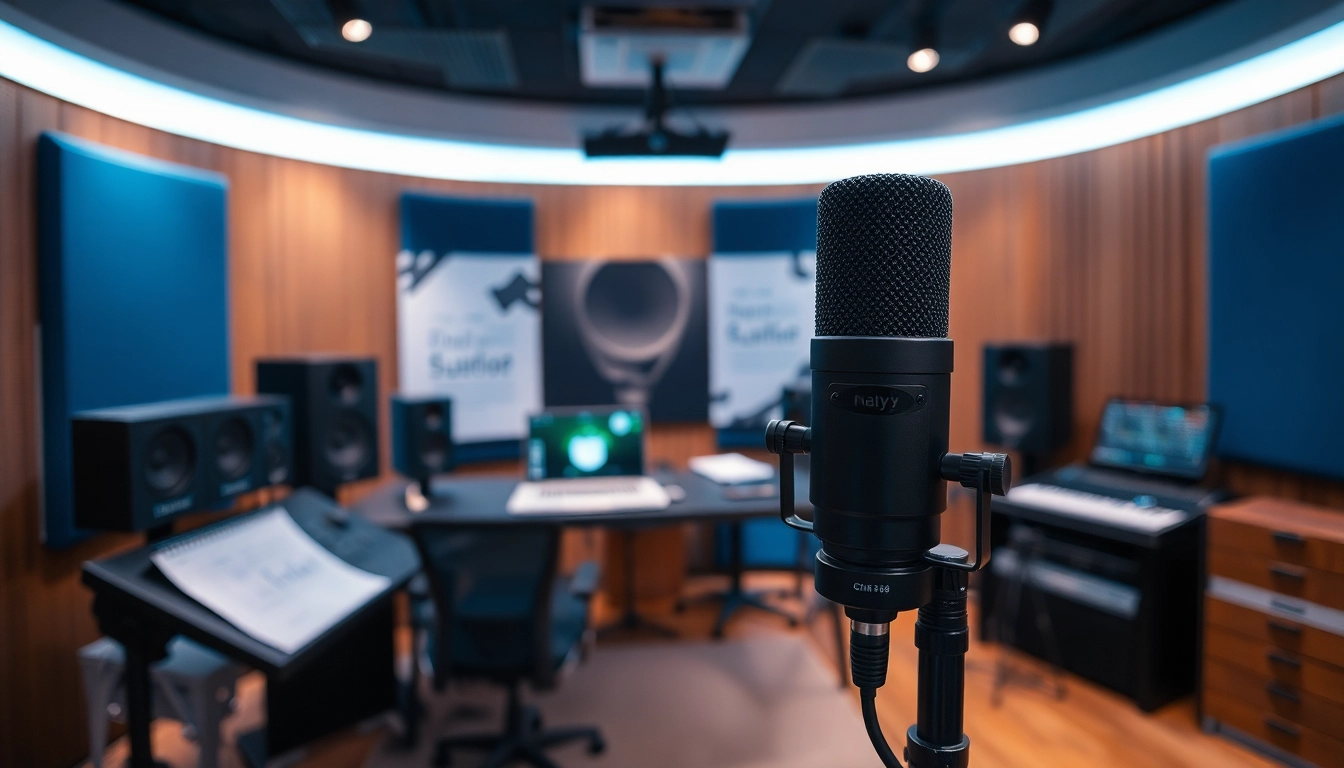
Introduction to CM88 Microphones
The world of audio engineering is continuously evolving, driven by technological advancements and the growing demand for high-quality sound recording. Among the myriad of options available, the CM88 microphone stands out due to its versatility and performance. This condenser microphone is particularly favored by both amateur and professional audio engineers for its wide frequency response and excellent transient response. Whether you’re recording vocals, instruments, or crafting intricate soundscapes, the CM88 offers a unique blend of features that cater to various audio needs. When exploring options, CM88 provides comprehensive insights into its capabilities and applications.
What Makes CM88 Unique?
One of the defining characteristics of the CM88 microphone is its exceptional ability to capture sound with clarity and detail. Unlike many microphones in its class, the CM88 is designed with advanced technology that minimizes noise interference while maximizing signal fidelity. This makes it an ideal choice for recording in environments that may not be perfectly soundproofed. Additionally, the CM88’s cardioid pickup pattern focuses on sound sources directly in front of the microphone while rejecting off-axis noise, further enhancing the quality of recordings.
Key Features and Specifications
- Type: Condenser
- Polar Pattern: Cardioid
- Frequency Response: 20 Hz – 20 kHz
- Maximum SPL: 130 dB
- Connectivity: XLR output
These specifications contribute to the CM88’s reputation as a reliable tool for a variety of recording scenarios, from studio sessions to live performances.
Comparative Analysis with Other Microphones
When comparing the CM88 to other microphones like the Shure SM58 or the Audio-Technica AT2020, several distinctions emerge. While the SM58 is renowned for its robustness in live settings, the CM88 excels in studio environments where sound detail is paramount. The AT2020, on the other hand, presents a strong contender with a similar frequency range, but the CM88’s tighter cardioid pattern gives it an edge in rejecting unwanted background noise during recordings. This makes it more suitable for nuanced applications such as voiceovers or acoustic performances.
Understanding Microphone Types and Their Uses
Choosing the right microphone can significantly impact the outcome of audio projects. It’s crucial to understand the differences between various microphone types to make informed decisions that enhance sound quality.
Dynamic vs. Condenser: The CM88 Breakdown
The CM88 is a condenser microphone, which typically means it requires phantom power to operate. This type of microphone is generally more sensitive than dynamic microphones, capturing a wider range of frequencies and better transient response. Dynamic microphones, while robust and able to handle high sound pressure levels, often lack the subtlety that a condenser like the CM88 delivers.
Best Use Cases for CM88 Microphones
- Studio Recordings: Ideal for vocals, acoustic instruments, and orchestras.
- Podcasting: Provides clear and detailed sound, making it perfect for spoken word formats.
- Field Recording: Excellent for capturing ambient sounds, thanks to its sensitivity.
Common Misconceptions in Microphone Selection
A common misconception is that more expensive microphones are always better. While price often correlates with quality, the best choice depends on the specific requirements of your recording environment. The CM88, for instance, offers professional-grade quality without breaking the bank, making it accessible for both beginners and seasoned professionals alike.
Setting Up Your CM88 Microphone
Proper setup is essential to maximize the performance of your CM88 microphone. Understanding how to effectively position and connect your microphone can greatly improve the quality of your recordings.
Optimal Placement Techniques
When positioning the CM88, consider the sound source’s distance and angle relative to the microphone. For vocals, placing the microphone approximately 6-12 inches away is ideal, depending on the vocalist’s volume. For instruments, the microphone should be placed closer to the sound source to capture its full tonal range.
Connecting to Audio Interfaces and Mixers
Connecting your CM88 to an audio interface or mixer involves using an XLR cable, which ensures a balanced connection. Be sure to enable phantom power on your audio interface to activate the microphone. Testing the levels before recording will help avoid distortion and ensure optimal performance.
Troubleshooting Common Setup Issues
- Sound not being captured: Check if phantom power is enabled and ensure all connections are secure.
- Low sound levels: Adjust the gain on your audio interface or mixer to a suitable level.
- Unwanted background noise: Reassess the microphone placement or consider using soundproofing techniques to minimize interference.
Recording Techniques for CM88
To achieve the best results with your CM88 microphone, employing effective recording techniques is paramount. This not only enhances the clarity of the sound captured but also adds a professional touch to your projects.
Best Practices for Vocal Recording
For capturing vocals, it’s important to use a pop filter to reduce plosive sounds. Make sure the recording environment is quiet and that the microphone is positioned correctly. Experimenting with different distances can help find the sweet spot for the vocalist, allowing for a rich and detailed recording.
Cinematic Soundscapes: Crafting Unique Audio Experiences
The CM88 is particularly well-suited for crafting cinematic soundscapes. Utilizing multiple microphones to capture different elements of the scene can lead to more immersive audio tracks. Position the CM88 to focus on specific audio elements, while other mics capture environmental sounds, enriching the overall production.
Live Performance Setup Tips
When using the CM88 for live performances, ensure that all connections are secure and test the microphone before the show. To minimize feedback, monitor the sound levels and adjust the EQ settings on the mixer accordingly. Always have backup equipment available in case of technical difficulties.
Future Trends in Microphone Technology (2026 and Beyond)
As technology continues to advance, the microphone industry is poised for several exciting changes. From innovative designs to improved sound capture methods, staying informed about these trends is essential for any audio professional.
Emerging Innovations in Microphone Design
Future microphones may incorporate advanced materials that enhance durability and sound quality. Additionally, wireless technology is expected to progress, allowing for more freedom of movement in both studio and live settings while maintaining audio fidelity.
How AI Could Transform Sound Recording
Artificial intelligence is beginning to play a role in audio production, with software that can analyze sound and offer suggestions for optimal recording settings. This could streamline the setup process and help engineers focus on the creative aspects of their work.
Preparing for Shifts in Audio Production Standards
As recording techniques evolve, audio professionals need to adapt to new standards and practices. Staying updated on industry innovations will ensure that you remain competitive and capable of producing high-quality audio that meets audience expectations.